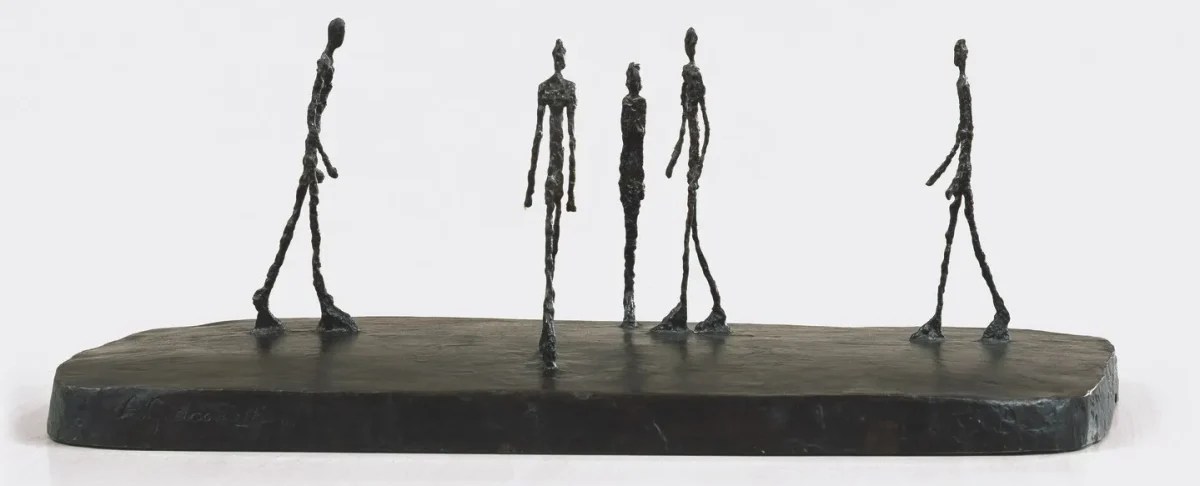
My bedroom.
In bed.
Tell me something that happened to you when you were young, I say. Tell me something you’ve never told anyone else.
When I was young … I lived an ordinary life, Priya says. I did ordinary things. I had ordinary happinesses and, God knows, ordinary sadnesses. Which is to say: nothing happened. Nothing extraordinary, anyway.
I wasn’t talking about anything extraordinary, I say.
Of course you were, Priya says. I’ll bet you’ve always been determined to be extraordinary. Which means you’ll always run up against my ordinariness. Because I am ordinary. Just as I’m mundane. Are you disappointed?
No, I say. Because I don’t believe you. You’re the most philosophical organisational manager who’s ever lived.
Do you ever think that I might say something profound, just by chance? Priya asks. That would surprise you, wouldn’t it? Out of the mouth of the organisational manager, eh, philosopher? Out of my humble organisational manager’s mouth … It might speak through me, whatever it is …
What’s ‘it’, anyway? I ask.
That’s the question, Priya says. That’s the mystery … All the things we talk about. All the questions we ask … No one’s going to answer, are they? No one’s interested.
Maybe they aren’t questions, but prayers, I say. Maybe they’re ways of praying.
To who? Priya asks. To what?
God, maybe, I say. The sky, maybe. The light, maybe.
I’ll miss our talks, Priya says. I’ll miss talking like this.
It isn’t over yet, I say.
It is though, really, Priya says. It was always over. It’s like we’ve outlived ourselves. We’re already dead. It’s like we’ve been dead for the longest time. We’re just waiting for death to catch up with us.
Death has other things to do, I think, I say. Death’s fucking busy …
God, what do we add up to, we two? Priya says. What do we add to the universe? Sharing our nothings. Our… insignificances. Contemplating the nothingness of the day and our nothingness and our obscurity and the fact that Earth's just falling through space forever.
These are the skylight dialogues, I say. A erotic merger between organisational management and philosophy.
It feels like philosophy’s winning, Priya says.
Like I said, you’re the least organisational organisational manager who’s ever lived, I say. And the least managerial.
Does that make me a philosopher? Priya asks.
Maybe it makes you a poet, I say.
I'll say something poetic, Priya says. It feels like the day’s fallen out of step with itself. That there are these strange lakes of time … Pools of time, just lying there … Reflecting the sky. It feels like we’re in some … split off universe. Some ox-bow lake universe that’s broken from the river of the real one. From the real flow of history. This is where time’s got lost. Where everything’s forgetting itself, and so are we.
Wow, I say. Just wow.
Silence.
Now you have to tell me about yourself when you were young, Priya says. Tell me something you’ve never told anyone.
It’s simple: I used to want to write a perfect book, and then kill myself, I say.
Is that it? Priya asks.
The work, I called it, I say. Everything was about the work. I used write night and day. Or edit. It was mostly about editing.
And what was it about, the work? Priya asks.
It was supposed to be some absolute statement, I say. To be an absolute book, totally incomparable. Like Lautreamont’s Maldoror, if you know that.
I don’t know anything about Lotry-what-not’s anything, Priya says.
It was supposed to say everything through a kind of inversion, I say. By saying the opposite. I saw it as a Gnostic treatise. As an expression of the Gnostic imaginary.
And did you ever finish it? Priya asks.
I’m still trying to write it now, I say.
So you can kill yourself after? Priya says. How melodramatic.
It was cheating, because I knew I’d never finish, I say. And that I’d never write anything perfect. Or that was even any good.
 Work in Progress