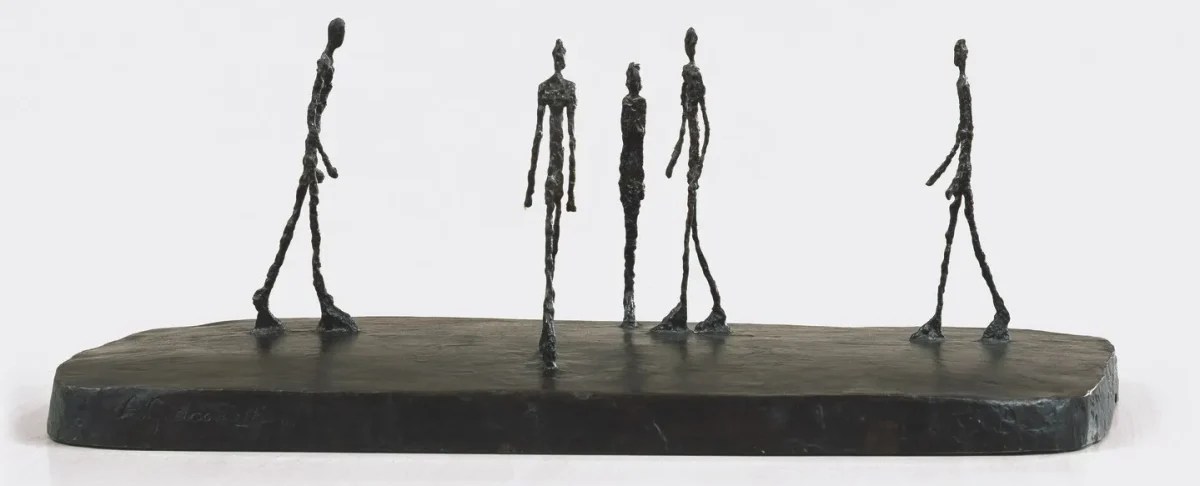
Organisational Management are part of the larger agenda. Part of the manage or cull agenda. Part of the organise or euthanise plan.
And they’ll be kind as they put us down. They’ll kindly inject us with whatever it is in their euthanasia pods. They’ll be gentle as they press the figurative pillow over our faces. They’ll all but sing us to sleep. They’ll kindly lead us to the slaughter.
There are too many of us: we accept that. We have to accept it. They’ll tell us, kindly. This is all because we are too many: yes, yes. We agree! We’re persuaded!
And the technicians of death will get to work. Painless! Gentle! We’ll barely notice. A kind euthanasia. A gentle cull. They’ll all but be stroking our hair …
And we’ll be doing it for the good of all. For everyone! Unselfishly! And isn’t it marvellous to be so unselfish! Isn’t it marvellous to be acting for the common good!
A gentle kind of heroism. Laying down your life for the sake of everyone. Out of sheer kindness. Helping out Gaia! Mother Earth! It’s not to great a price to pay, is it?
We’re too many! It’s quite obvious! There are too many of us on the planet! Everyone agrees. We shouldn’t be burdening existence. Imposing ourselves. Usurping the places of others to come. Others more deserving!
Our kind have had their chance. We’ve had a good enough run of it. Our day in the sun! Time to give the earth back to itself. To release it. To let go. We have to leave it to others.
It’s only ethical. It’s only right. Morality demands that some of us … lay our lives down. A bit like voluntary redundancy. But of life!
It’s the right thing. The unselfish thing. And it’s not like we were doing anything particularly significant with our lives, is it? It’s not as if we were putting them to good use.
We’re not serving humankind, or whatever. Serving the planet! It's not as if we’re good actors. Really, we were just disturbing students, with all our teaching. We were discomfiting them. Unsettling them. Disturbing them. We’ve only ever spoiled the peace, the harmony with our questioning.
And really, they’re doing it for our own good, the world controllers. They’re culling us for our own good. To save humanity, you have to kill it, or large parts of it. It’s like pruning. So long as it’s done judiciously. There are too many of us. Hasn’t this been proven, scientifically? Isn’t quite uncontraversial?
And isn’t it a pleasure to serve? To be useful. Isn’t it a release to actually do something for the good of all – for everyone. And for everything, animate and inanimate!
We’re saviours, in our way. Laying down our lives. Going to our eternal rest. Laying down our heads forevermore.
The ultimate act of charity. The best we can do. The most selfless thing.
Not to live any more. Not to breathe anymore. Not to eat anymore. None of that.
There can only be so many of us. There are only resources for so many. And who will miss us, really?
To be … uncreated. As if we never were. To be unremembered. As if we never had existed. We should be forgotten. We deserve to be forgotten. To go under. Once we were lived, and now … There’s a beauty to it. There’s something glorious in being allowed to disappear. There’s a sweetness to it. A gentleness.
And the methods of death are so gentle now. We can choose our favourite song to die to. We can select something from the dial of our euthanasia-pod. Didn’t We Almost Have it All can accompany us we gradually lose consciousness. As we close our eyes. As the nitrogen is pumped in.
To fall asleep into death. To be released into it, death. What was ever so beautiful as that? The dream is over. The bubble pops. The leaf falls. It’s sunset! The end of the day! The earth will tilt into darkness. Evening is coming …
To die as insignificantly as flies, legs curled up in windowsill corners. All our struggling and striving done.
To sail gently into death. Happily. Calmly. The journey of our life done.
In the end, did we ever want to live? Were we ever really in love with life? Wasn’t life just agitation to us? Didn’t living make us fretful, discontent?
Why not sign our own death warrants, then? Why not request our own death sentences? Why not let ourselves be ushered gently into death.
Did we ever have a really tight hold on life? Were we ever sure that we really wanted to live? Weren’t our favourite artworks about suicide, about dying? Weren’t our favourite artists always dying for us? Weren’t we constantly looking to die by proxy? Haven’t we each died a thousand deaths already?
Our favourite music: death music. Our favourite art: death art. Our favourite films: death films. Our heroes and heroines: the death haunted. Those drawn towards death and lost in death.
No, we weren’t destined to live long lives. Wide lives. Lives of generosity and goodness.
We were fascinated by genius. By lives of transgression. Of escape. By venturers-out. Our culture heroes. Our spiritual ancestors. The predecessors we chose for ourselves.
The death-obsessed (like us). The death-hypnotised (as we are). The death driven (and to what are we driven, except death?)
No, we never wanted to live. We never saw ourselves as living on. We’d always and already missed the precise moment to die.
How many death scenes have we read? Haven’t we always flicked forward to the deathscenes in biographies? How many books on our bookshelves with death in the title? How many books of suicides. Of self-mutilators? Hasn’t our reading, our viewing, our listening always been our laboratory of death?
And if not death, madness. Haven’t we always been fascinated by madness? Have we not felt ourselves, too often, on the brink of madness? How many times have we trembled with madness?
Death and madness. And wild eros. That too! Wild affairs. Love that brings you to the brink of death. Tragic love. Doomed love. Lovers who drive each other to the brink. And over it! Double suicides. Love deaths. Wasn’t that the kind of love that fascinated us?
 Work in Progress