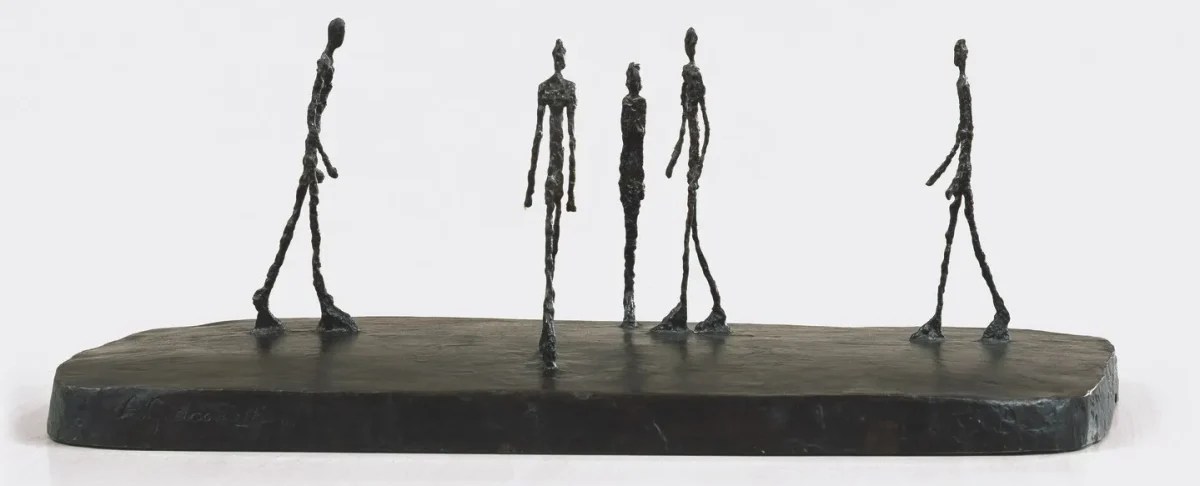
My literaro-philosophical escape capsule. She knew what I was hoping for, Livia said. She knew my secret plan.
It was my bust out plan. It was my tunnel of philosophy, my philosophico-literary opus.
I was going to write it all up – all my philosophical failures. I was going to make literature out of it – my philosophical non-career.
Which meant I was never really committed to philosophy – not ultimately. I was always merely watching myself so-called philosophise. I was always observing my failure to philosophise from a distance. And from a literary distance!
A cunning move! I was never really risking it all, philosophically. I was never as desperate as my peers in philosophy, my fellow idiots. Because I’d taken out literary insurance against philosophical failure. Because I had my literary side-hustle, which was also a literary sidestep. A secret way of justifying my philosophical life!
I thought I’d found a literary loophole. A literary get-out clause. Something to escape my failed UK European philosopher destiny. Because my philosophical defeat would no longer be a philosophical defeat if I wrote it up in the right way.
I was going to write the last will and testament of UK European philosophy, Livia says. UK European philosophy’s last gasp. UK European philosopher’s last fumblings in the dark. Its last attempts to pin the tail on the philosophical donkey …
Literature: that’s where my dreams of genius went. That’s where I stowed them, unlike the rest of us who only ever had philosophical dreams.
A genius of non-genius: that’s what I wanted to be. A literary writer who could make good on my non philosophical genius. Very cunning. A genius-move all by itself.
Of course, the potential flaw in the plan was obvious: wasn’t writing literature just as hard as writing philosophy, if not harder? Wasn’t it the case that the European literature-meisters I admired, that they were as much geniuses as the European philosophy-meisters I revered! If not more so!
Did I really think I was going to be a Blanchot 2.0? Livia asked. That I was going to be a new Hélène Cixous?
But I had an answer to that, too, Livia knew. I thought of myself as writing in a post-literary time. At a time after literature – when all the prestige of literature has disappeared. When you couldn’t do that high-falutin’ stuff anymore. You couldn’t write in a high literary register – not if you didn’t want to live in bad faith.
The ultimate excuse: these aren’t literary times, so I can’t be a literary genius – and that was my real genius. Shameless …
The most authentic literature was, to all intents and purposes, non-literary. It eschewed the high literary. The high modernist! The literature (non-literature) true to our times was a farcical literature. A literature after the literary fall, the cultural collapse. It belonged on this side of the high modernist mountains, my literature – my non-literature. And didn’t I even dream of combining my non-literature with non-philosophy? With a fallen philosophy, a philosophy of the ruins? Didn’t I want to take that non-philosophy as my subject – my very failure at philosophy. As if the only philosophy that was possible in our times was a farcical philosophy. A philosophy after the collapse, that played in its own ruins?
 Work in Progress