Thought-Tamers

The anglophone world cannot help but banalise. It’s our deepest instinct.

With our dull prose. In our flat prose. In our passionlessness. In the boredom of our sentences.


Thought-tamers, like lion tamers. At work on the great banalisation of anything interesting.


Domesticators. Flatteners of thought-peaks. Philosophical reducers.


Dunce-disciples. Slow learners. Extinguishers of the heavenly fire.


Not a thought in our heads. Not an idea in our heads. Nothing, really, in our heads. Entirely vacant, in our heads. With nothing going on.

Woozy

My wooziness: that’s what Alan calls it. I can be ever so woozy. What are you thinking about?, Alan’s always asking me. You seem very far away, he says. That’s because I am very far away, I tell him. Being woozy.

Is Alan woozy?

Alan is never woozy. He’s all go.


Everything that happens to me is just an interruption of my wooziness.


We’ll all end up woozy in the end. It’s like some kind of human entropy.


I’m very philosophical in my wooziness.


Can you actually think about nothing, philosophy. Is that possible? Or is the nothing thinking you, or something? Woozily.

Auto-Disgust

We disgust ourselves. We appal ourselves. We’re averse to ourselves. Entirely horrified.


Why was our type allowed? Whose fault is this? Who brought us into existence – and for what purpose?

Why – the great why. The endless why. The deathless why. The question we ask in every moment of our lives. That asks itself through us. As us.


We can’t believe we exist. Can’t believe we go on. Can’t believe we survive from moment to moment.

Antinomian Women

What are they anti, your antinomian women?

Rules. Law. Explicit ones. Implicit ones. The true of agreeable. Being nice. Anti the whole world, as it stands.

The patriarchal world?

The matriarchal one, too. All the worlds. All possible worlds.


They’re suspicious of existence, antinomian women. They’re enigmas, even to themselves. They’re perpetually appalled … disgruntled … but never unhappy. It’s not as simple as that.


They were born into a world that didn’t understand them. And that they didn’t understand.

Sure, the whole feminist argument.

It goes further than that. Or it’s gnostic feminism. They were born appalled, and appalling those around then. They had nothing to do with the rules. With how you’re supposed to be. Nothing to do with their parents. With their brothers and sisters. With the place where they were born. Nothing to do with their society. The usual mores. With amazing biographies.

They were one offs. Experiments. Full of wild adventures. Which were all adventures of fleeing and disgust. Of just … hating everything. Never being one of the girls. Or the boys. Never belonging to anything. Never signing up.

They had adventures through the world and adventures in the head. Eternal and internal ones. Having to create themselves. Without role models. From scratch. In their unique ways of being – of being themselves. Of becoming themselves. Trying to find a language in which to speak. A way of being true to whoever they might be.

And maybe they weren’t anything. Maybe they didn’t exist at all. They were just lines of flight. Rolls of the dice.

Is that what you are, an antinomian woman?


With no clue, really, as to how to live. How to do the ordinary things. How to fit in with the ordinary world. How to say the ordinary things and mean them.

A blank look on their face, always. Not confusion, but something else. Removal. Indifference. Distance. That they didn’t belong here. Dissociation – is that the word?

It’s just that they’re foreign. Alien. Coming to the world from without. From a great distance. That’s what shows on their faces. That’s what shows in how they are in general.

This isn’t their world. It isn’t their fault. They’re here for a while, and you’ll disappear – that’s all. They’re here to go. This will never be your world. They’ll never sleep soundly – really soundly. They’ll never lay their heads down in peace. They’ll never be at peace with themselves – in this world.

Always perturbed. Always some thorn in the flesh. Some vague, unreasonable discontent.


Some sense of this not being for them. That they shouldn’t be here. That they’re here by mistake. That they have to put enormous effort into doing the things everyone else can do by instinct. What everyone else was born to, adapted to, prepared for, designed for. But the world is not their niche. The world isn’t their home.

It’s like living undercover. Under an alias. In some kind of witness protection scheme. Where you have to maintain a lie. And lying to yourself. Where you’re disguised. When you’ve had some kind of  plastic surgery. When you  can’t even recognise yourself in the mirror. When you can’t even remember who you were. When you can’t even say your own words – speak in your own name. When you know only that it’s Wrong, it’s all Wrong.


Not even unruly. Not even rebels. Just…  natural anarchists. Indifferent, somehow. Not of this. Not part of the world. Not subject to the rule of this world.

Distance in their eyes. A wounded distance. A distant distance.


And incapable of just living directly. Incapable of simply being alive … Never knowing what to say … Who to be …

Such a sense of division. Barely speaking of anything that concerned them. Not knowing the words to say. Not able just to be, like everyone else.

Strewn, in some sense. Scattered, in some sense. At a distance from themselves. Asking the question, Who am I supposed to be? with their entire being. With everything they are.


Never able simply to speak for themselves. Never able to just use their own voices. Never capable of speaking their minds. Never present to themselves. Always lagging behind.

Dazed, somehow. Touched, somehow. Left-handed. Cack-handed.

Never anything particular on their minds. Never thoughts in their heads. Never interior monologue.

Who wanted only to be left alone. But who didn’t know, for all that, what they were being left alone for.

The Punchline

Livia’s joke.

The department was the set up – gave the context. The whole ‘a man walks into a bar’ thing. The assumption that Livia would only employ the competent and intellectual and smart … The expectation that she’d brought us here to carry the torch for European philosophy … The trust that she has a plan, and we were part of the plan …: that stuff.

And then? Livia knew what she was doing. The pause before the punchline – essential. Because timing is all in telling a joke. The whole thing: the set up, the pause, was about the punchline – and the punchline shouldn’t come too quickly.

Especially when we were the punchline. Us – who were the very opposite of competent and intellectual and smart. Who were the very inversion of Europeans …

So of course there was the pause – it lasted nearly an entire semester. Of course there was Livia’s comic timing – eleven weeks; twelve. But then they met us at the Philosophy Christmas party.

Then they met us, and realised – they couldn’t help but realise – that we were a punchline. That the whole thing was a joke – Livia’s joke.

And to think, they’d been so intrigued by Livia’s bold new venture. By Livia’s swerve. Her clinamen. What was she going to do next? What was her move, after so many surprising, wonderful moves?

It would be worth seeing, after all her other famous Mitteleuropean swerves. Wasn’t she a veritable box of tricks, Livia?

But this was no trick. This was no wonder. What was it then? They scratched their heads. Could it be … Was it possible … that Livia’s last gesture before her retirement was a joke?

Of course, they couldn’t compute, not really. They couldn’t accept it. They couldn’t laugh. It just seemed baffling. And in bad taste. Why would someone do this? Why would Livia deliberately fuck things up?

But it was true, even if they could believe it: we were the punchline, and Livia’s continental philosophy department, in which they been enlisted as advisors, as a college, was a joke played on all of them. On the whole of Tyneford. On the entirety of UK Philosophy. On Europe itself – because what had Europe done to deserve such treatment?   

It wasn’t a joke.

Yes it was.

Well, you weren’t quite part of the joke. She actually respected you.


She wasn’t just some comedian – some joker. She was a wildcard, sure. But what she really was is a trickster – revealing truths through supposed mistakes and seeming mischief. Like Coyote, right – a fool, a trickster, a teacher, a creator? Like Hermes, moving between worlds – between Mitteleuropa and the UK, past and the present, civilization and barbarism … Like Loki, playing pranks and shapeshifting and creating chaos. Like Anasi, the cosmic clown – breaking rules, mocking authority, disrupting the whole established order in order to reveal things. Like Krishna, using deceit, bending the truth, breaking the rules of dharma to save dharma. That’s who Livia was.

Like the Joker, more like. Just some nihilist, mocking everything.

She was about disorder. Instinct. The unconscious. About breaking ordinary patterns. Showing the … hidden dimensions.

And what was she revealing?

Reality itself. What things are. As the absurd – as the serious: both at once. As wisdom and laughter: in simultaneity.


And there they were, Livia’s college, so good at hiding their disappointment. At concealing their confusion. The way they were basically scratching their heads.


See, we’re the punchline. We’re the twist. We’re the surprise. We’re what makes the whole thing funny. Livia needs us as a punchline.

We’re the punchline. We deliver the laughs. But who was laughing? Livia was laughing. Livia and Herwig, probably. Herwig would have found it all very amusing.


We were just Livia’s joke – a joke against us, first of all. That we weren’t in on. That no one except Livia could understand. Livia was taking the piss.

She was always taking the piss. But it was more than taking the piss. Taking the piss, for Livia, was more than taking the piss – you know that.

We were Livia’s jokes. Livia’s pets. Livia’s freak show. Like her own private comedy channel. Like the funnies in her newspaper. Comic relief, right, after a hard day’s mathematico-philosophy.

There’s such a thing as a serious joke.

We’ve lived within a joke – one that we’ve at last half worked. At last half grasped …

We were supposed to work it out. That’s why she left.

What does it mean to live as a joke? To be something that serves only to amuse? Livia’s just a version of the Gnostic demiurge. The Gnostic demiurge is just some ginormous Livia. Laughing and clapping its disgusting hands.
The Only Light

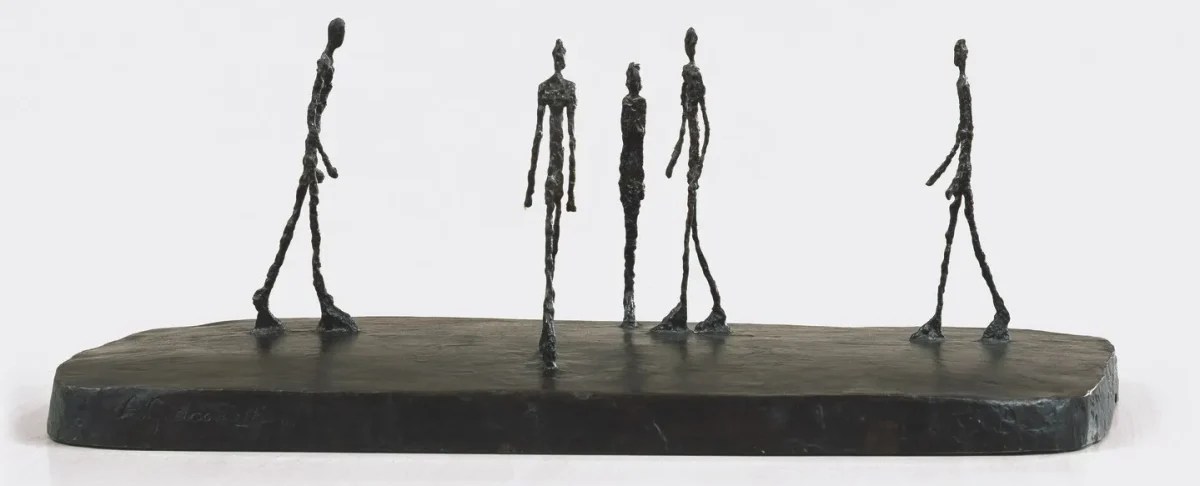
The lights are going out, one by one. The UK continental philosophy firmament is dimming. The spangled sky of UK European thought. The great societies. The conferences. All the UK European philosophy gossip. All the intrigues. The imbroglios. All the culture of the ghetto of UK continental thought.


We’re the only light left – Tyneford Philosophy. The only star in the once rich firmament. The only candle burning in the infinite darkness. There’s only us. The sky is dark, nearly.

Our space station. Our satellite. Rolling around the heavens. Our ship of fools! With our crew of idiots! Us! Us! And our idiot thoughts in the darkness.


We’re the last form of European philosophy – the comic form. European philosophy for laughs, but for bitter laughter, sad laughter. As a private joke.


This is where European philosophy came to die. This is continental thought in its final hour. Taking its last pathetic stand. Going out with a whimper.

Here: the non-Armageddon of European thought, in Tyneford. Its final humiliation.


What a legacy we guard! What a tradition! Just us, versus analytic philosophy – on the whole of this benighted island.


We’ve taken philosophy down. European Philosophy’s in the pit with us. Continental thought’s gone dark. Has forgotten its name. Is wandering in the darkness, with all the idiots.


We’re the last of European philosophy. It’s fallen to us. The last, here in the darkness. We’re only ones left.

What about in Europe, in mainland Europe?

It’s dead there, too. All but dead. Essentially dead.

The UK Exile

European philosophy has to go through a period of UK occultation. Has to begin again on the UK terroir. Among the part timers! And the working class! And the losers!

European philosophy has to become illegible to itself. Must forget how to read itself. Its own history. European philosophy has to return to itself through illiteracy. Through idiots – authentic UK idiots. Through the uneducated. And the ineducable. Through deep, stubborn stupidity – cultural stupidity. The special qualities of UK stupidity.

European philosophy, in a UK daze. In UK forgetting. In UK desecration.

European philosophy, lost on the other side of the channel, where no one understands it. Where no one gets it, not really. Not even its most ardent enthusiasts – especially them.


European philosophy has to lose itself. To find itself again? No, to lose itself still further.


Livia knew what it needed, European philosophy. Continental thought! It needed to travel a great distance, if it was to return to itself. Needed to lose itself in the unhomely – in the Unheimlich. In the unfamiliar element.

Livia knew that an Odyssey was necessary. A voyage. European thought had to go forth to come home. And it would be a terrible journey. A humiliating journey. Beginning with a blow to the head – a UK blow. Passing through a long period of coma. Of forgetting.

European thought, now in stupid vessels. Now in damaged brains. Damaged lives. Continental thought, now in UK heads.


Which is why European philosophy had to learn the arts of disgust. Of being disgusted. Which is why European had to pass to the part-time lecturers. To the working class part-timers – a double whammy. Doubling up the stimmung.

Continental thought belongs to the fuck ups. To the losers. To our kind, God help it.


The descent of European thought in the UK brain. The UK katabasis of continental thinking. Who would have predicted it? How would have thought it?


Amnesia: that’s where it must begin, the rebirth of European philosophy. With a blow to the head – a UK blow. Amnesia and retardation. And backwardness. And mental deficiency.

European philosophy would have to wake up as after a coma. Having to relearn everything. From spelling upward. All the skills it once took for granted.


Only the thinker as idiot. Only the saving power of idiocy. Only the density of the UK head. And the refraction of European thought through the UK head.

All Wrong

What am I feeling, philosopher? Uma asks. What’s wrong with me? Do you feel it, too?

Bored – that’s what you said before, I say. Meta-bored. There’s been a mistake, Uma says. Somewhere, there was a mistake. Do you feel that, philosopher? I’ve felt it for years. That there’s something wrong with it all, with … everything. That’s what I feel sometimes. That it’s all wrong.


All my life – I’ve … Uma says. What? What can I say about all of my life? What can I say about anything?


Something’s Wrong

All we have is our disgust. The great awakening of our disgust. The great call to arms of it: our disgust. Our great hatred. That is made tangible. Tastable. In this wine.

Our disgust actually made disgusting. Not just some … mental attitude. Not just some passing mood. It’s physical. Tastable. It makes us retch. This retching is a gift. We have to retch. Retch it all up. Retch ourselves up. Ourselves as filth. And the filth of the world that made us filth.


Our great question: who made us like this? Who turned us into this? How did we become this? What evil – what great evil is responsible? What monster? Who did this to us? Who caused this? Who made this? In what terrible act of cruelty? In what dreadful fit of wrath?

Who is our Creator? Who placed the curse upon us? Who made us sin? Who brought us low – so terribly low? Who condemned us? Who crushed us? Who murdered us? Who turned us against ourselves? Who gave us life sentences in this world – in the filth of this world?

Who made us hate ourselves? Who made it so that we could only hate ourselves? Who brought it about, this anti-miracle? This evil – there’s no other world for it: evil? This Satanism?

Who threw us into the world? Who abandoned us here? Who left us without guidance? To fend for ourselves? To gnash our teeth and wail in the desert?

What great sadism lies behind this? What evil Plan? What diabolism? What teeth gnashing in the darkness? What perversion of God’s true plan? What despoiling of God’s goodness?

Who’s done this to the Good? Who’s perverted the Good? Who’s destroyed the Good?

And Beauty – who murdered Beauty? Who desecrated Beauty? Who defaced the face of Beauty?

And the True? Who multiplied the lies? Who let the lies obscure the Truth? Forget the truth. Mock the truth. Parody the truth.

And God? Because this is  the abolition of God. This is the banishment of God. This is the forcing of God out of the world. This is the diminution of God – dare we believe that?

As though God were rent in two. As though God was split into good and evil. As though the Demi-urge was born from God, the rending of God.


This world is evil: that’s all. This world is ugly, and with a horrific ugliness.

This world is bestial. This world screams. This world thrashes. As though possessed. Our live as a thrashing. This world is inhabited. It is demonic all in all. And this world knows it. This world feels it.

It’s there in the world: this feeling. Even we feel it: this feeling. Disgust! Of course, disgust.


But we know that our disgust has another side. That our disgust calls out to something else. That our despair is a deformation of hope. That our loathing is a mockery of love. That the Satanic demi-urge of this world is a version of the True God beyond it.


Who did this to us? Something’s wrong. Those two words. Something – everything. Everything’s wrong. Everything’s Wrong. Teeth gnashing in the darkness. What made us like this?

Are these prayers? Are these cries? Calls? Are these pleas? We wake up in darkness. We wake up in disgust. We open our eyes. Look upwards. Pray, in our own way. For relief. This is not our world, we tell ourselves. We do not want this world. We don’t know anything else, but we know this: this is not our world.

Brain Fog

The vast sky. They haven’t fucked up the sky, have they?

They’re trying to.


I think I’ve got some kind of brain damage. From … thinking too hard. From being exposed to philosophy.

Is philosophy actually good for the brain? I’m not sure it is.

Is there such a thing as a philosophy dementia? How can you tell philosophy apart from brain fog?


I don’t have any answers anymore. I liked having answers.


It’s like we’re going farther and farther … out. Like we’ve gone more and more extreme. Are we ever going to live normal lives again? Are we ever going to come back to ordinary life?


What have you done to me, philosopher? I’m not good for anything anymore. Certainly not a normal relationship.

And I don’t know what my relationship to you is supposed to be. Are we having an affair? I suppose we are. But it doesn’t feel like a love affair. What is it, then?


It feels like we’ve been stranded. Marooned. Somewhere far out, into the ocean. Somewhere far from anywhere.


You’ll get no sense out of me. I don’t know what you call it, this feeling.

Idiocy.

Is that the name for it? Not very flattering. Have you turned me into an idiot? But I suppose a philosophical idiot is far more advanced than a regular idiot.


We’ve gone a long way … out. We’ve travelled very far in one particular direction. And now we’re thoroughly lost. Well, I suppose you’re not entirely lost, are you philosopher? I suppose you know your way around, in lostness.


We’ve left the world behind, haven’t we? The human world. The old world. Where are we supposed to be now?


Is this where you spend all of your time? No wonder you look so vague. No wonder you seem so out of it. When I ask you what you’re thinking, you always say: nothing. And I believe you now. Because if this is what’s in your head, it really is nothing.


Don’t you think you can go too far out – that you can lose yourself in this … void – whatever it is? There should be warnings. There should be explanatory plaques. Alerts on your phone. Like speed limits. There should be limits to what you should be able to think.


Is that mist? Is it a frozen fog? God, when’s summer going to come? When are the long days going to return? The days are so short, philosophy. It’s three o’clock, and getting dark. So tiresome.


Philosophy just about flying kites in the Nothing, isn’t it? It’s of no use to anyone. But even uselessness has some kind of use, I suppose.


I feel like I’ve already died. Is that common, in philosophy? Is that what usually happens?


I feel like I’m on some kind of spacewalk. I feel like I’m lying in the snow, dying of hypothermia. But it’s a sweet death. It’s a gentle death.  

I’m closing my eyes, and death is sweet, sweet. And I want it to come. I want its sweet oblivion. It’s not natural to think like this, is it? It’s not right.


Is this where philosophy takes you? Is this where you end up? And where have we ended up?


Why should we want to die? Why should anyone want to die? And what is a subject area that just makes you want to die?


Philosophical … dissociation. Philosophical … blankness. Am I going to remember any of this. It’s like being in a dream.


This isn’t my real life. I know it isn’t. I don’t say these things. I don’t speak like this. I’m not so pretentious, for one thing. I’m … just … a … regular … person. That’s what I tell myself. Isn’t that true, philosopher?


It’s like I’m dreaming these things. I’m dreaming as I speak. Or I’ve been hypnotised, or something. I’m in a trance. And I’m saying all these things. And what am I saying?

It’s like someone’s cast a spell over me. I’ve been enchanted. And you, too, philosopher. Or maybe you’re the enchanter.


There’s no more world. We’ve run out of world. Whoever’s in charge of this isn’t even bothering to fill out the background. We’re nowhere, aren’t we? But nowhere become somewhere. Nothing become something. The non world become … what? Another world?


We’re speaking into the light, that’s all. Our breath’s steaming. It’s still winter in the afterlife, or wherever we are.

I think we’re supposed to talk. I think something wants us to say things. Profound things, maybe. No – unprofound things. Ordinary things.

Just … talking like we talk, when we’re together. We’re supposed to say stuff. Your turn, philosopher – you say things. What are you going to say? How are you going to fill the void? Only I think it’s about the void filling us. I think it’s about speaking this, speaking from this, or whatever.


We have to stop lying, philosopher.

What are we lying about?


After all these words, what? After everything we’ve said – or I’ve said – what then? Is saying things enough? Aren’t we supposed to do stuff? What are we saying, anyway?


Are we so tired of being alive, philosophy? Too tired to be bothered to be alive?